

AI search is reshaping every market. But if you sell B2B SaaS?
It’s not optional. It’s existential.
One consumer survey found 62% of U.S. adults interact with AI several times per week.
Now compare that to B2B.
According to the 2025 6sense Buyer Experience Report, 94% of B2B buyers use large language models during their buying process. And the growth has been HUGE from 2025 to 2026.
Wynter’s annual “How B2B SaaS CMOs Buy Software” study showed that in 2025 only 24% of chief marketing officers (CMOs) used AI/LLMs for discovery. That skyrocketed to 84% in 2026.
To sum up: Sure, consumers use AI a lot. But B2B buyers use it extensively for researching software.
And although ChatGPT continues to be the most widely used AI answer engine out there, it isn’t the only game in town.
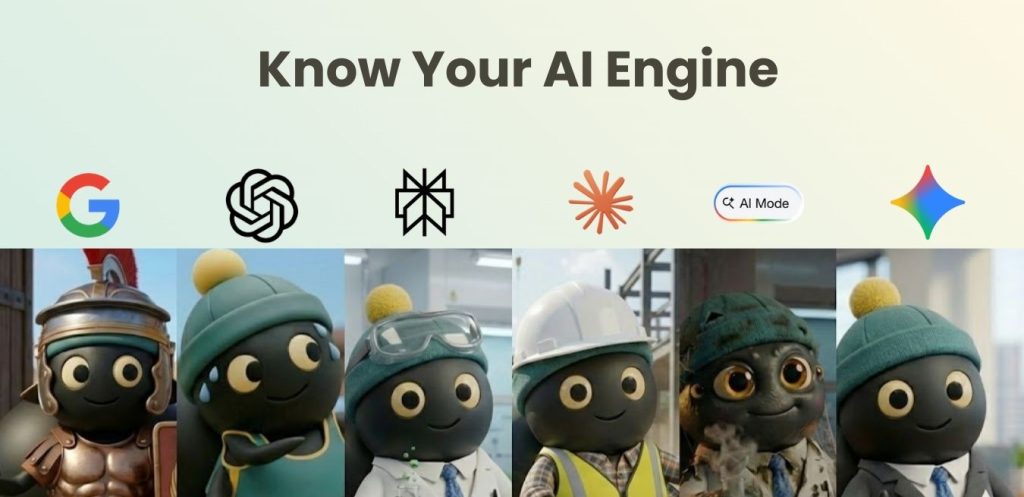
This quick guide is designed to help marketers understand the unique role different LLMs play in the B2B buying process. So you can make the best possible decision on how to drive qualified demos from this ever-changing new channel.
How the AI models stack up
No public study directly reports: “Which AI tool do you primarily use to evaluate software vendors?”
So we modeled it using:
- Platform scale (Similarweb GenAI traffic share)
- Declared MAUs (OpenAI, Google, Perplexity reporting)
- B2B buyer behavior data (Forrester + 6sense)
- Developer usage patterns (Stack Overflow 2025 Survey)
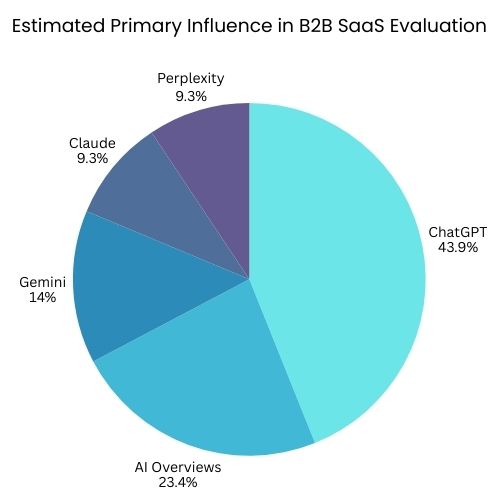
Full transparency: By ‘we’ I actually mean we had ChatGPT’s Deep Research tool handle the heavy lifting. Then we compared the results to what we’ve seen working with our AI search clients in 2025/2026. Keep in mind: most buyers will use multiple tools. This chart is just designed to give you a rough idea of how widely used each engine is.
Let’s break down how the AI engines compare.
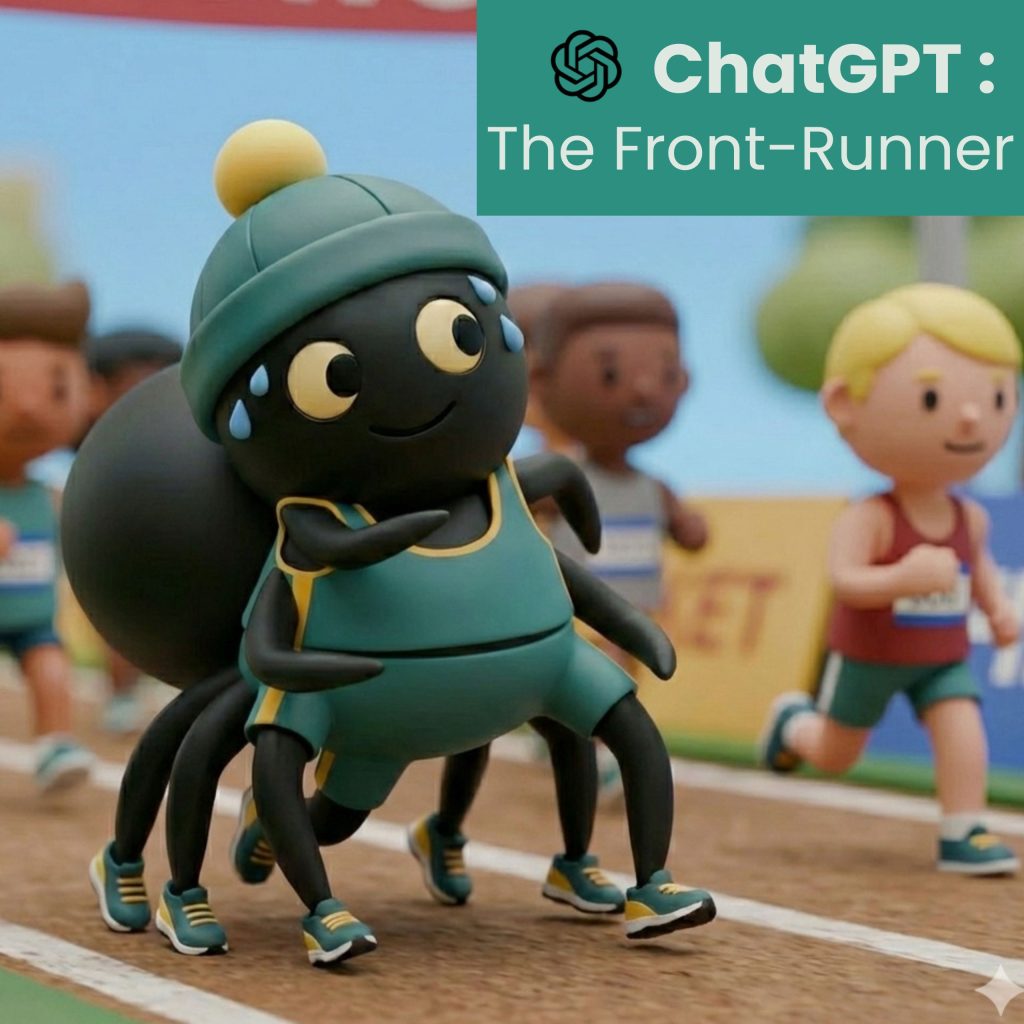
ChatGPT (OpenAI): The Front-Runner
It’s the default starting point for B2B buying; the first place ideas, comparisons, and shortlists get formed. And it has way more users than any other AI model.
Estimated influence in B2B SaaS research: 35–45%
Estimated reach across buying groups: 50–60%
Often prioritizes citing: News sites, blogs, review platforms, structured informational content
Who uses it in B2B buying:
Pretty much everyone: marketing leaders, RevOps, founders, product managers, even procurement. It’s the default research assistant with over 880 million users (as of February, 2026).
This is where every B2B SaaS marketer needs to double down, whether you’re selling complex analytics or a startup Canva challenger.
How to think about it:
ChatGPT shapes early shortlist formation. Buyers ask it for “best X tools,” vendor comparisons, pricing breakdowns, and implementation pros/cons. You need:
- Clear positioning pages
- Strong comparison content
- Structured FAQs
- Third-party mentions
If your category definition is unclear, ChatGPT won’t frame you correctly. This is your highest-leverage AI surface.
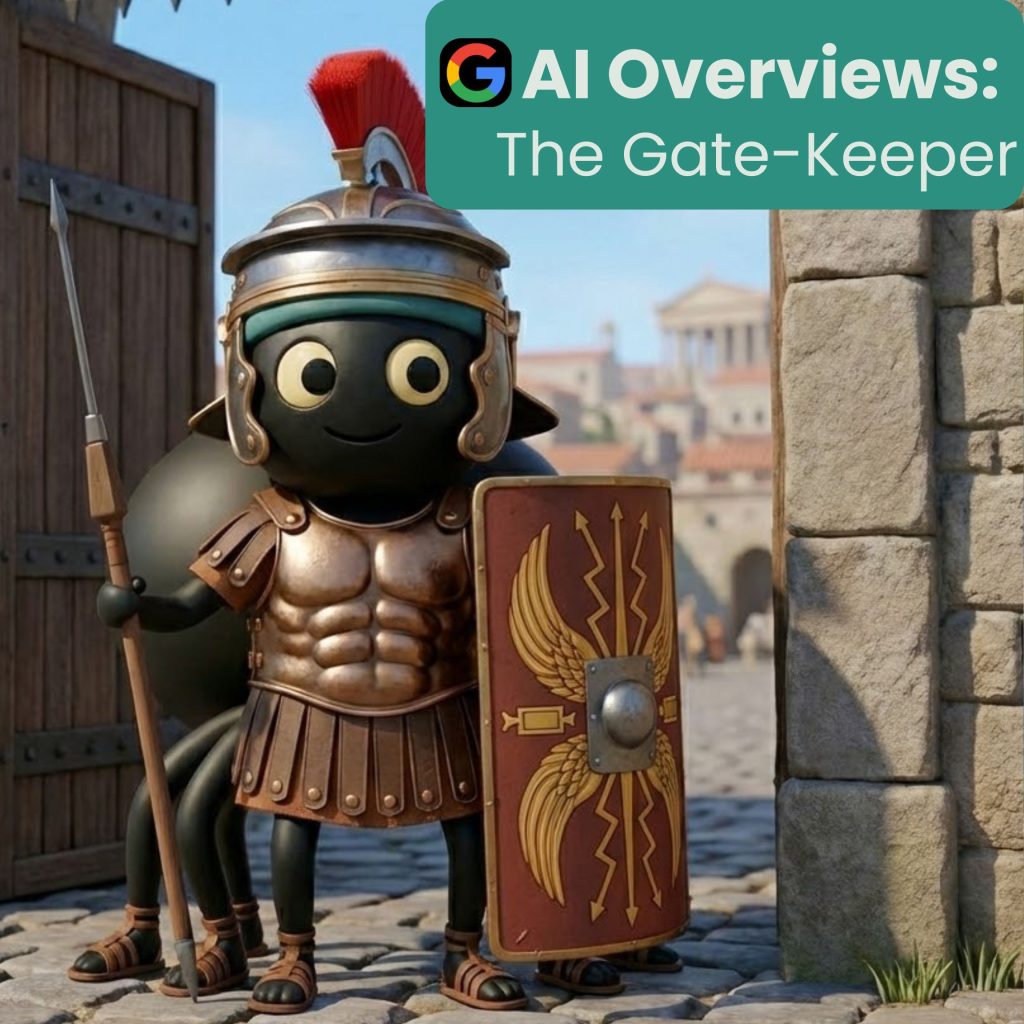
Google AI Overviews: The Gatekeeper
It shapes perception before anyone clicks, controlling broad category framing at massive scale.
Estimated primary influence: 20–30%
Exposure reach: 80–90% of buyers see it on search queries
Often prioritizes citing: Wikipedia, major publishers, high-domain-authority sites
Who uses it in B2B buying?
Everyone who searches Google, especially non-technical stakeholders and executives. Google reports AI Overviews reach 1B+ users monthly.
AI Overviews show up before anyone clicks. That means your brand can be included or excluded before you get any traffic at all. Studies show AI summaries reduce organic CTR by 50–60%.
So the goal shifts from traffic to presence.
How to think about it:
This is mass exposure, not deep evaluation. Buyers often see AI Overviews before clicking anything. You win here by:
- Ranking for category terms
- Structuring content clearly
- Earning authoritative mentions
- Publishing definitional content (“What is X?”)
Think brand framing, not conversion. If you’re missing here, your category positioning may already be shaped without you.
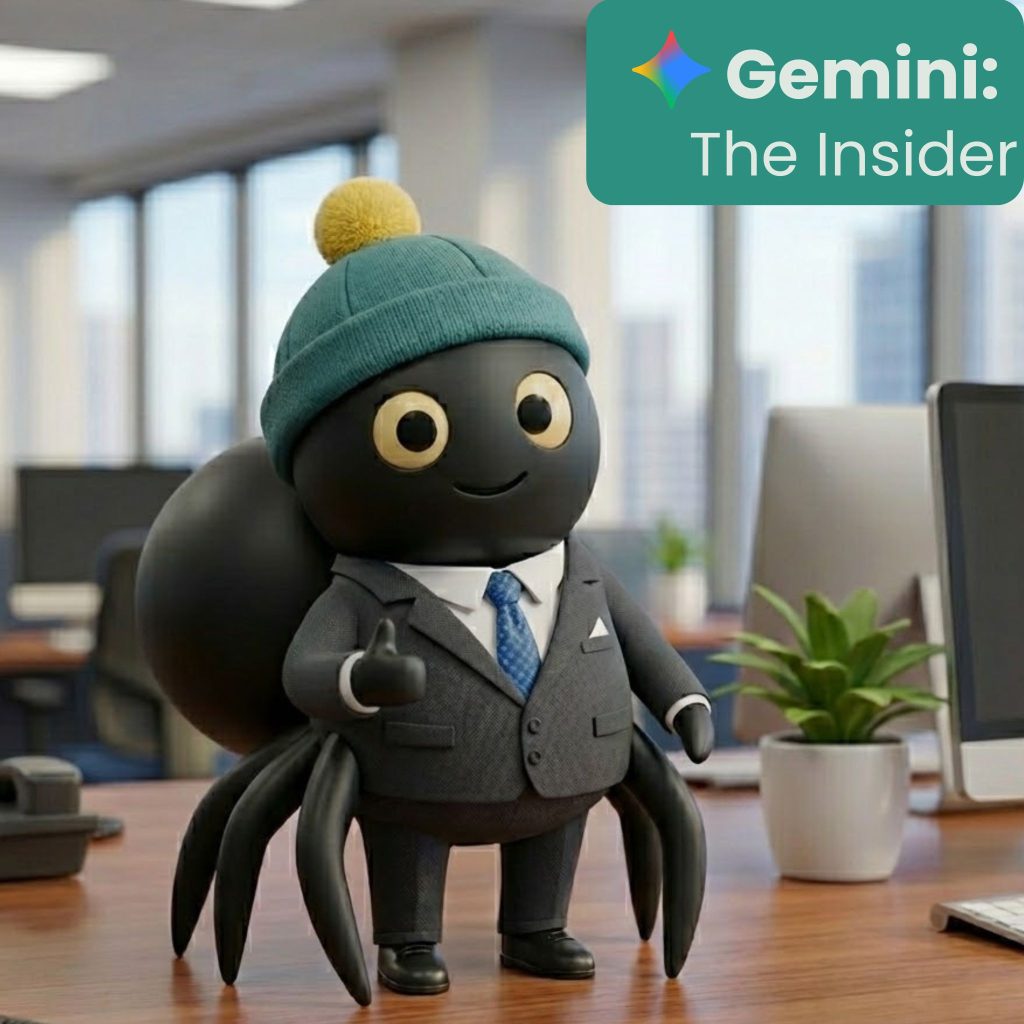
Google Gemini: The Insider
It lives inside Google workflows (Docs, Sheets, Gmail) and influences decisions during operational work.
Estimated primary influence: 15–20%
Estimated reach: 30–40%
Often prioritizes citing: Recent web data, Google-indexed sources
Who uses it in B2B buying:
Google-native organizations. Ops teams. Workspace-heavy companies. Chrome-centric workflows. Gemini is embedded across Google Workspace (Docs, Sheets, Gmail), influencing daily operational tasks.
How to think about it:
Even Gemini itself admits it’s too early to say how many B2B shoppers are actually researching vendors within apps, like Google docs. But here’s an example of how it could play out: Users may be writing a project proposal in Google Docs and use the Gemini side panel to ask: “Based on the requirements above, what are the top 3 SOC2 compliant cloud storage providers?”
Gemini influences decisions during execution, not just research. Buyers may:
- Draft business cases
- Build ROI models in Sheets
- Compare vendors inside Docs
Keep stats current. Publish implementation guides. Make your value easy to model. Gemini often supports mid-funnel operational validation.
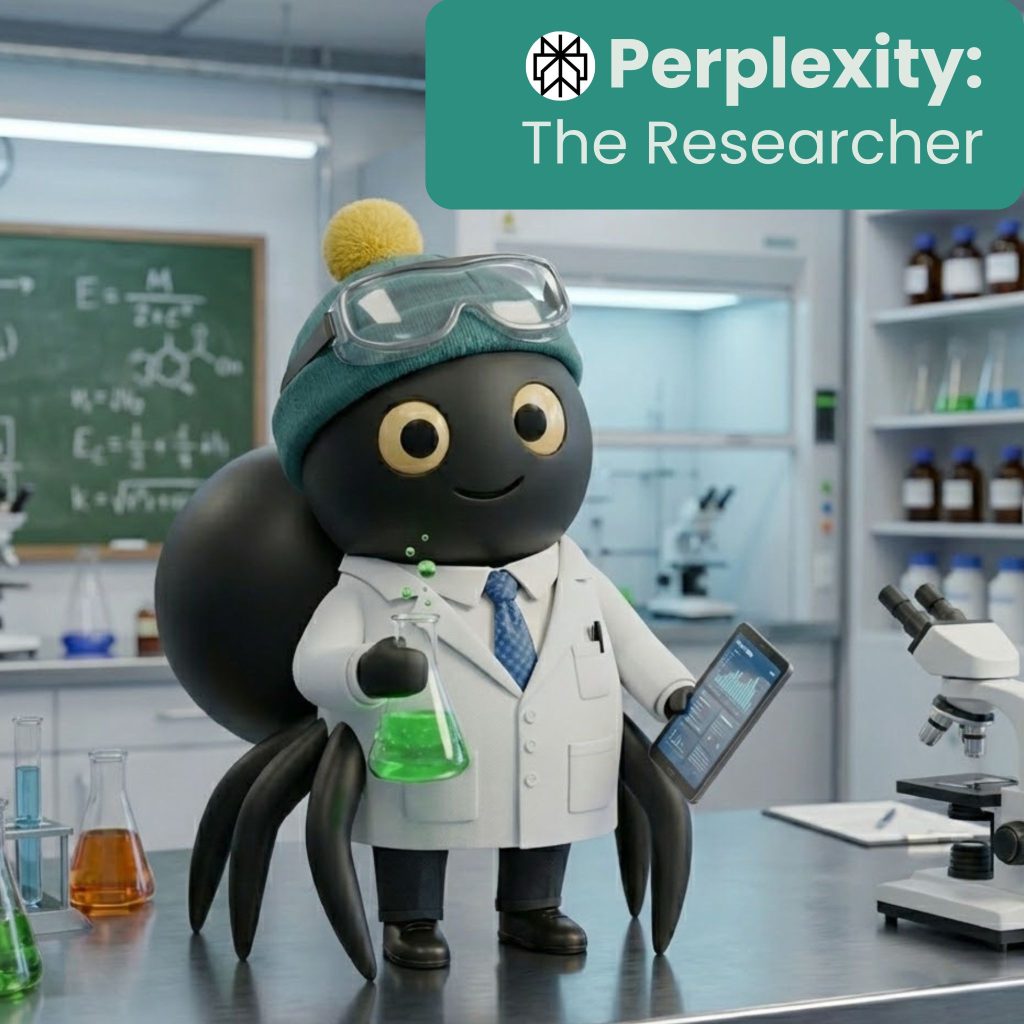
Perplexity: The Researcher
It’s often used to verify claims, cite sources, and pressure-test vendors with evidence.
Estimated primary influence: 5–10%
Estimated reach: 10–20%
Often prioritizes citing: Official docs, whitepapers, credible sources
Who uses it in B2B buying:
Technical evaluators. Analysts. Product managers. Research-heavy roles.
Perplexity emphasizes source-backed answers and citations, positioning itself as a research tool. Its user base skews toward engineers, analysts, and knowledge workers, with strong adoption among technical audiences. But increasingly more marketers are using it as well.
How to think about it:
Perplexity is used for verification. If ChatGPT inspires a shortlist, Perplexity pressure-tests it. To win:
- Publish technical docs
- Provide benchmarks
- Include data-backed claims
- Earn citations from trusted domains
Perplexity heavily cites source links, so it helps to be included in credible publications or structured documentation. This surface matters most for high-ACV and technical SaaS.
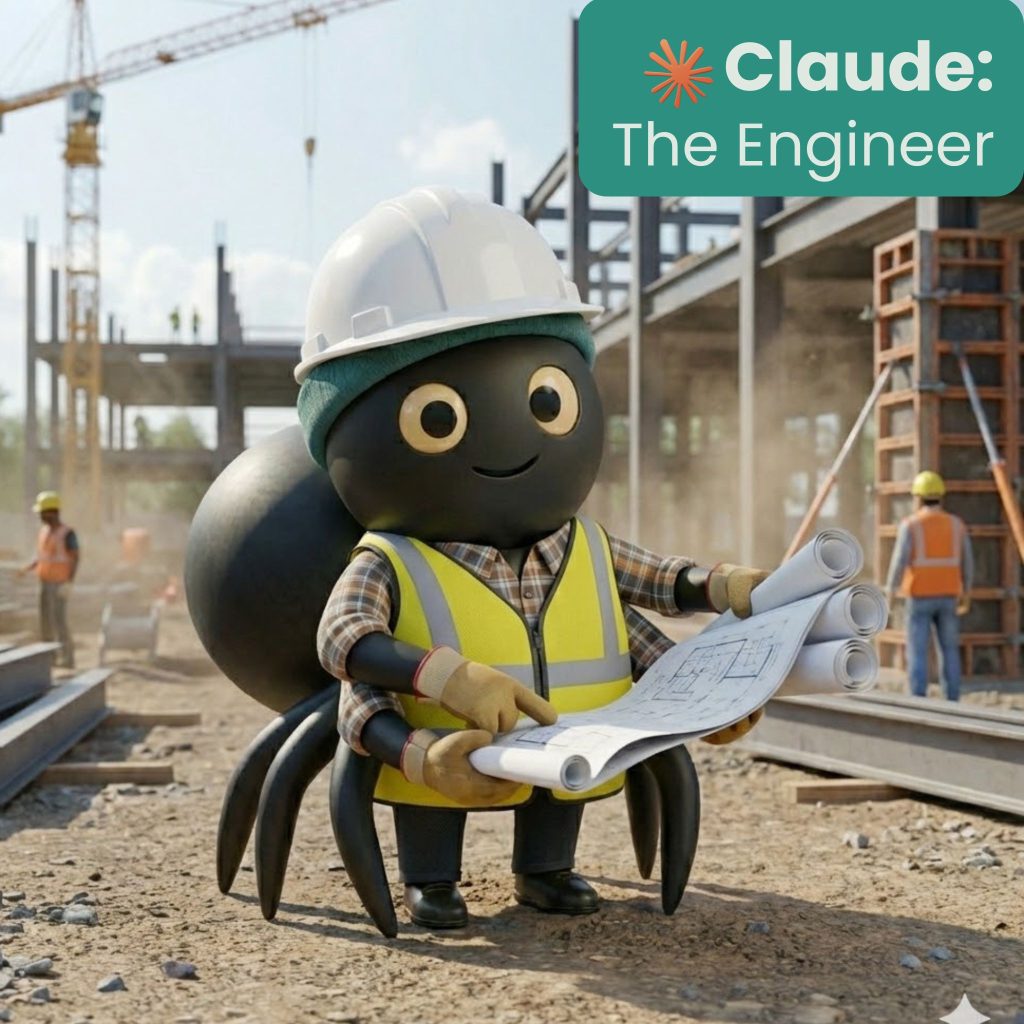
Claude (Anthropic): The Engineer
It’s favored by technical and compliance-minded buyers who care about reasoning, safety, and architecture.
Estimated primary influence: 7–12%
Estimated reach: 15–25%
Citation behavior: Web-based answers; increasing citation capability
Who uses it in B2B buying:
Developers. Security teams. Compliance-heavy enterprises. Anthropic’s Economic Index shows Claude is heavily used for coding and technical tasks. And Stack Overflow 2025 reports 40.8% of developers use Claude Code tools.
How to think about it:
Claude is trusted for reasoning depth and safety. Buyers may use it to:
- Analyze API architecture
- Evaluate compliance risks
- Draft implementation questions
- Stress-test vendor claims
You win here with:
- Transparent security documentation
- Architecture diagrams
- Clear API references
- SOC 2 / compliance content
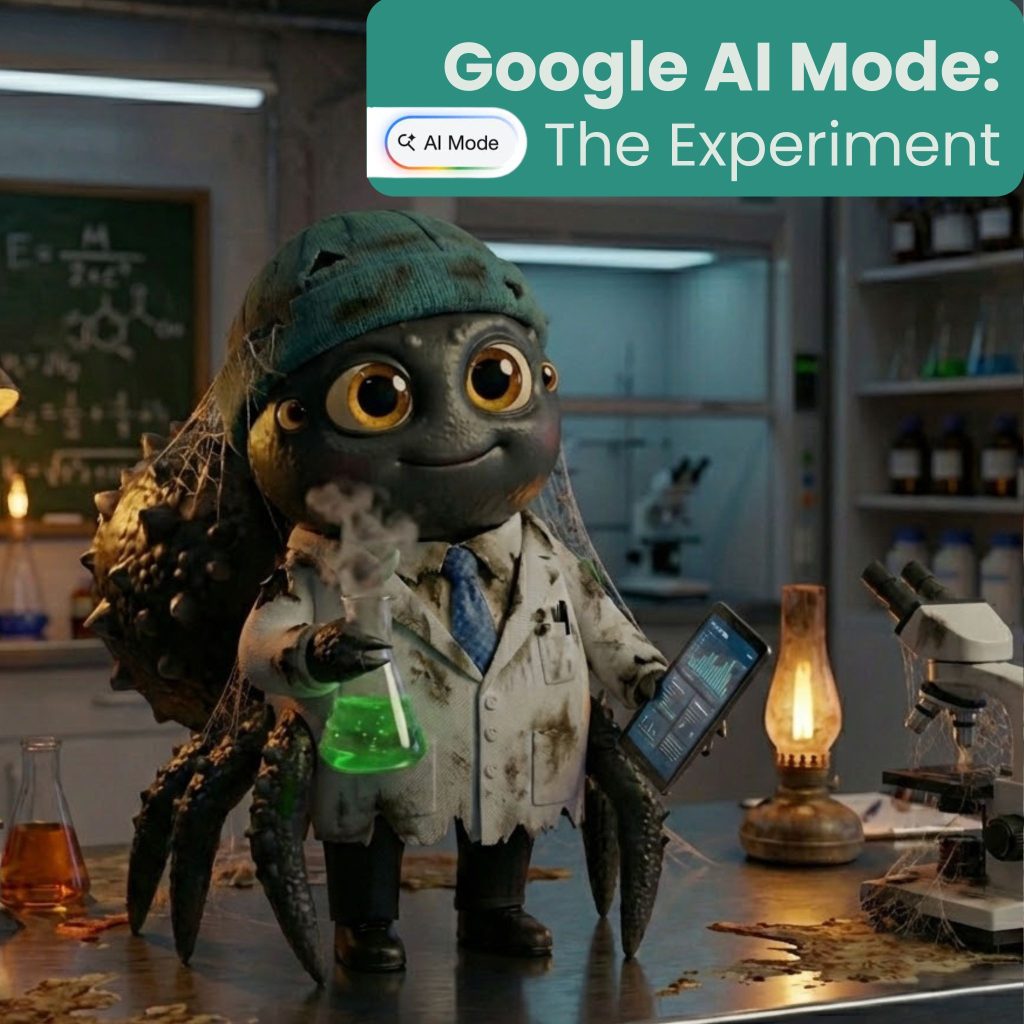
Google AI Mode: The Experiment
It’s Google’s evolving testbed — influential long term, but still early and exploratory today.
- Estimated primary influence: 2–5%
- Current status: Experimental rollout (Google Labs)
Who uses it in B2B buying:
Early adopters, AI-forward professionals. Google AI Mode remains experimental.
How to think about it:
Don’t over-optimize yet. It overlaps with Google Search and Gemini.
Focus on:
- Strong SEO foundations
- Structured content
- Domain authority
If Google expands AI Mode, it will draw from the same index. Treat it as future-proofing rather than a primary channel today.
The Big Takeaways for B2B SaaS Marketers
- ChatGPT is still your #1 priority for AI search.
It has the largest user base by far and we still see most leads and demos coming from this AI engine. - Google AI Overviews is your broad awareness layer.
Traditional SEO work is key here. And ensure your brand is appearing for the right category searches. - Remember: many buyers use multiple AI engines (and Google)
Although ChatGPT should be your focus, Perplexity, Gemini and Claude all play key supporting roles in your AI search strategy. Plus, we still don’t know how things will shape up with Google’s AI Mode.
